How To: Practice at Home for the Holidays

Most people, it's safe to say, have a love/hate relationship with the winter holidays. While it's undoubtedly a time of family, giving, receiving, and overall holiday spirit... it's also a time of stress, traffic, planning, and chaos.

I deal with the madness by secluding myself and creating a quiet, zen space where I can do my practice and find some peace.

1. Find your space


On my brand new mat from Affirmats :)

I think lighting can be a very important element in a yoga practice. Just as we face the sun for our sun salutation, and turn down the lights for savasana, the lights can set the mood for a whole yoga practice. 

2. Add Music

Below I've embedded a great Spotify playlist to get you through a 45 minute practice (the playlist is actually exactly 45 minutes... I got lucky!) - complete with an opening/closing sequence of Tibetian Singing Bowls, and a 6 minute song for savasana. This playlist is full of funky yoga beats that will get you excited to practice!


3. Try Something New

Practicing at home is a great opportunity to try a new pose, or ones that you thought you couldn't do before. It's great because when you're alone, no one else can judge you! For example, just the other day I tried dragonfly for the first time at home, with the help of this great video I found on Youtube. Granted, I only held the pose for a breath, but now I have the confidence to keep going forward knowing that I can do it!

Even though practicing alone means that there's no one else there to judge you, make sure you don't start judging yourself. Show gratitude to yourself that you took the time to practice! In solitude, you are the only witness to your mistakes. Embrace your mistakes, and learn from them to come out stronger next time. For example, trying to do this Sirasana variation below, I lowered my front leg too far too fast and just toppled over. But after having experienced that sensation, I was less afraid of falling from then on! But if I was in a yoga class, I probably wouldn't have bothered trying that variation at all. This is why practicing alone is so beneficial - you have the freedom to look at silly as you want without an audience. :)

I did this variation of Sirasana (headstand) for the first time at home!

4. Or Just Relax

Being at home is also a great place to take a step back. You're in no rush - there's no teacher or class to keep up with. Listen to your body; go at your own pace! Above all, honor yourself.

5. Turn It Upside Down

Since it seems like everything turns upside down during the holidays, I like to do inversions to keep up with the times. Also, going on your head reverses the blood flow in the body and improves circulation.

You don't necessarily have to do headstand... downward-facing dog and forward fold count as inversions too!


6. Cool down with some hot tea.

There's nothing like a calming cup of herbal tea after a home yoga practice (or any yoga practice, for that matter). I love this blend from Yogi Tea! If you're looking to relax, go for green or white tea blends with peppermint, chamomile, and lavender. If you're looking for energy, go for black teas with orange or bergamot.


Enjoy your home practice - Happy Holidays!

- Sarah (The Sunshine Yogi)


How To: Beat the Winter Blues

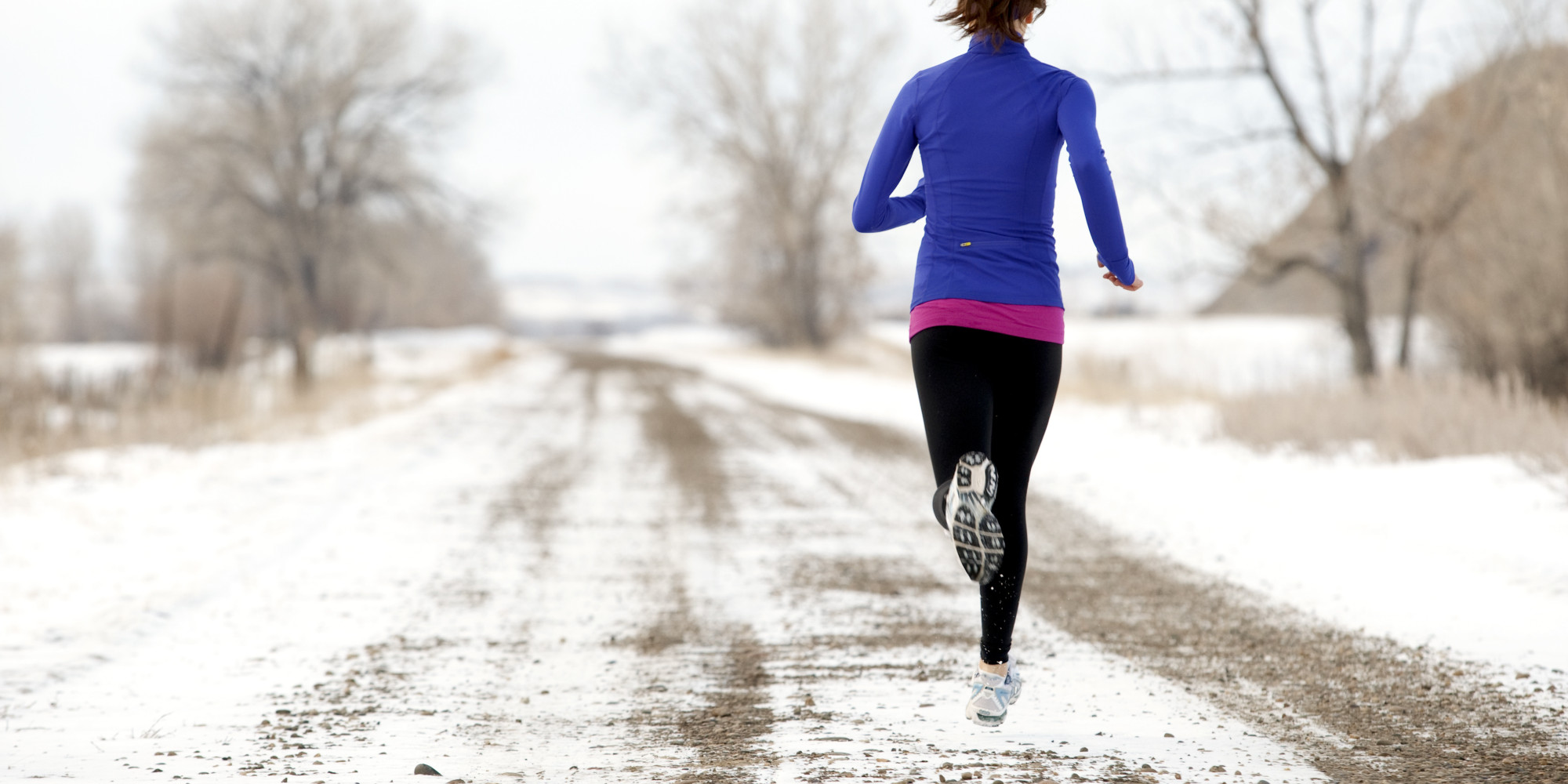
Have you ever noticed that you feel more tired in the winter months? Is it harder for you to get out of bed in the morning, or stay awake at night? Or maybe do you feel hungrier, craving rich, heavy foods? Welcome to vata season, as defined by the Ayurveda - characterized by cold, windy days and less sunlight.

An earlier sunset means less time for outdoor activities.

The Aryurveda

The Ayurveda is a traditional Hindu system of natural healing, and is as widely practiced in India as western medicine, having been incorporated into their healthcare system and medical infrastructure. As written in the Ayurvedic texts, there are three "states" of health that must be balanced, called doshas. They are defined as:


  1. Vata (Space & Air) - this energy controls the bodily functions associated with movement, including blood circulation and breath.
  2. Pitta (Fire & Water) - this energy controls the body's metabolic systems, including digestion and body temperature.
  3. Kapha (Water & Earth) - this energy controls growth in the body, and includes the transportation of water to all body parts, and the immune system.
In the late fall and early winter, the vata energies are dominant. This means that our environment is cold and windy, and our bodies are prompted towards slowness, fatigue, and indulgence in heavy foods. However, we can counteract vata through what we eat and what we do.

Source: HuffPost

Balancing Vata Energy

1. Listen to your body. The body's Circadian Rhythm (the force that tells us when to go to sleep and when to wake up) functions in harmony with the natural rising and setting of the sun. When the sun goes down, it cues our body to prepare for sleep. In addition, the brain will produce less melatonin when there is less sunlight (further disrupting our Circadian Rhythms). Because there is less sunlight in winter, you will naturally want to sleep later and go to bed earlier. Honor your body by listening to these signals. You may not have as much time in the day as you're used to, but your energy will be in better alignment with your environment.

2. Wake up with Hot Lemon Water. Drinking hot lemon water in the morning will cleanse your system and and kickstart your metabolism. Try my Winter Wake-Up Tonic recipe here!

3. Start the Morning by Stretching. Unless you sleep standing up, your body is not in its natural alignment while you're asleep. When you stay in one position over a long period of time (as you do when you're sleeping), the blood "settles" into different areas of the body than it's used to. By stretching, you help recirculate your blood flow back to its normal state.

4. Eat a Protein-Dense Breakfast. Because protein digests slowly, it will keep you fuller for a longer period of time, quelling the desire to overindulge in food. Try hard-boiled eggs with turkey bacon, or this protein granola from Nature Valley.

5. Spice Things Up. By adding spice to your foods, you will add fiery pitta energy to your day, helping to balance the wintery vata. The best route here is to use peppers or spice mixes containing capsaicin (the compound that makes hot peppers hot). Capsaicin can be found in chili peppers, cayenne peppers, and tabasco peppers, and has been shown to contain antioxidants and aid in weight loss. What's more, the burning sensation in your mouth might help you forget about the cold outside!
In addition, spicy and energizing scents such as lemon, grapefruit, orange, and cinnamon will help revitalize you in the morning. Try The Body Shop's Total Energy Essential Oil or Golden Earth's Miracle Energy 2nd Chakra to energize yourself in the morning.

6. Create Warmth. In the winter when our biggest urge is to go back to bed and hibernate, it is crucial that we create warmth in our bodies by moving, whether it be through a quick run or a bikram yoga class.

_________________________________________________________________________

Keep in mind that like all seasons, winter is a transient phase. Spring always comes again!

How To: Ustrasana (Camel Pose)

Ustrasana, when done correctly, is a pose that stretches all the major muscle groups of the body - including abdomen, thighs, chest, and shoulders. My favorite aspect of the the pose is that it creates space within the digestive tract, aiding in digestion and stimulating the metabolism.


To Do Camel Pose:

  1. Start by kneeling on the mat, with your knees about shoulder-width apart. Inhale, and bring your shoulder blades down along the back, opening the heart.
  2. Put your hands on your hips, and start the stretch by hinging backwards at the abdomen. Keep your thighs straight - don't lean back with your legs. 
  3. To get your hands on your heels, it is usually easier to do one at a time. Keeping your thighs perpendicular to the floor, bring your hand down to its corresponding heel, and then the other.
  4. Once your hands have connected with your heels, make sure that your thighs have stayed perpendicular to the floor. A common mistake many beginners make is to lean backwards in order to reach their hands to their heels, which is incorrect form. If it's too deep of a stretch for you to touch your heels, keep your hands on your hips when you lean back - just make sure that your thighs are perpendicular to the floor.
  5. Concentrate on your breathing to relieve tension, especially in your neck. The neck muscles hold many of our stresses and worries, which can be felt in stretches like this one. Inhale, gathering all the tension in your body, then exhale, letting the tension leave your body through your breath.

____________________________________________________________________


Yoga is about honoring your body, including your limits. Push yourself, but listen to your body if it tells you to stop. And above all, never judge yourself if a pose or stretch is difficult for you. What matters is your intention to learn and improve - not the level of difficulty you are able to achieve. 

How To: Buy a Healthy Lunch at Work

As I wrote recently, I've been trying to spend less money on food by packing my lunch for work instead of buying it. Today, however, I forgot to bring something, so I bought lunch in my company's cafeteria.

I ended up with a mixed-greens salad tossed with lite Parmesan peppercorn dressing, with bell peppers, cucumbers, carrots, celery, and kidney beans. Instead of croutons, I got whole wheat pita with house-made red pepper hummus. Not only was my lunch delicious, but it was well-balanced and nutritious.


A common misunderstanding of healthy eating is that people think certain "types" of foods are taboo - like carbs - when they're still an important part of our diet. But the problem arises when those types of foods are out of balance! Even having a cupcake or some potato chips every once in a while is okay, as long as it's in moderation.

What you really should be aiming for is a balanced meal, with as many whole, unprocessed foods as possible. The Harvard Medical School recommends that vegetables (i.e. salad) should make up the bulk of your meal, with whole grains (i.e. whole wheat pita) and healthy protein (i.e. kidney beans) coming in second and third.


What's important to keep in mind here is the quality of the food you're eating. The term "whole grains" doesn't refer to processed, refined grains (like your standard white sandwich bread); nor do healthy proteins refer to bacon or hamburgers. The more processed a food is, the more it has been adulterated by machines or human intervention. Consuming foods in as natural a state as possible is the best thing you can do for your body (which means avoiding products that contain bleached flour and sugar).

Now, the problem is sticking to these healthy choices at work. I know personally I'm sorely tempted by the rows of potato chips, shelves of cookies and brownies, and other unhealthy foods that are available at my work cafeteria. But I have to keep in mind that eating healthy doesn't mean sacrificing taste, and I always feel better when I've eaten something that's good for my body. 

My advice: find a lunch that contains the "big three" (in order of importance):

1. Vegetables: Not only do vegetables contain vitamins and antioxidants that your body needs, vegetables are more environmentally sustainable than meat. 

2. Protein: Your body needs protein for nearly every function it performs. Don't skip out on protein! If you're vegetarian, go for beans, lentils, and eggs (to name a few). If you're omnivorous, opt for lean proteins like chicken and turkey. 

3. Whole Grains: Look for words like "whole grain" or "whole wheat" on the label - or else you may not be getting the real deal. This table is really handy in identifying what to look for on food labels.

______________________________________________________________________


I can say this from firsthand experience - that when you eat good, whole foods, drink plenty of water, and avoid processed products as much as possible, you will see a noticeable difference in your energy levels, mood, and overall health. 


Archive